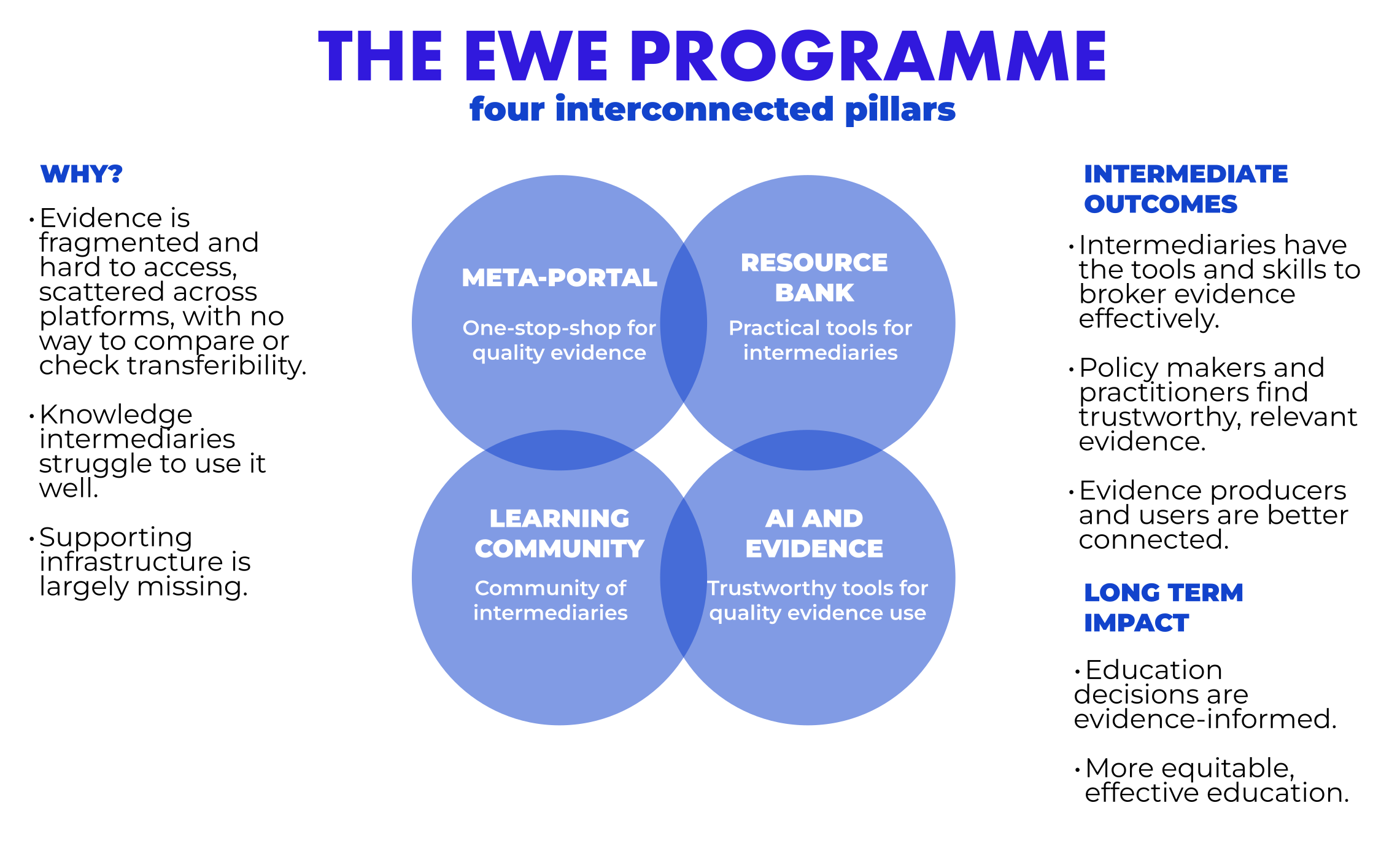
Around the world, a wealth of research exists on what works in education, how and under what conditions. Yet this evidence rarely reaches the people who can act on it. Why?
Research evidence is fragmented and inaccessible. Syntheses, summaries and other research-based resources are scattered across numerous platforms* in different languages, with inconsistent formats and quality standards – and no common way to search, compare or evaluate it, or assess how well findings from one context will transfer to another.
Teachers and policymakers cannot be expected to navigate this alone, but even those who support them struggle. Knowledge intermediaries* (a.k.a. knowledge brokers) are meant to bridge research, practice and policy, but it is hard for them to find and interpret relevant evidence, judge its quality and adapt it to their context.
The infrastructure needed to support evidence use is largely missing. In most countries, there is no national evidence platform showcasing effective research, no accessible tools or guidance to help intermediaries strengthen their capacity and no systematic opportunity for them to learn from peers facing similar challenges elsewhere.
The result? Efforts to improve teaching practice and education policy are too often not based on what we already know works. Resources are wasted and opportunities missed.